Research interests
• Conservation Biology
• Aquatic Biology
• Aquaculture
• Environmental Education
• Aquatic Biotechnology
• Aquatic Biology
• Aquaculture
• Environmental Education
• Aquatic Biotechnology
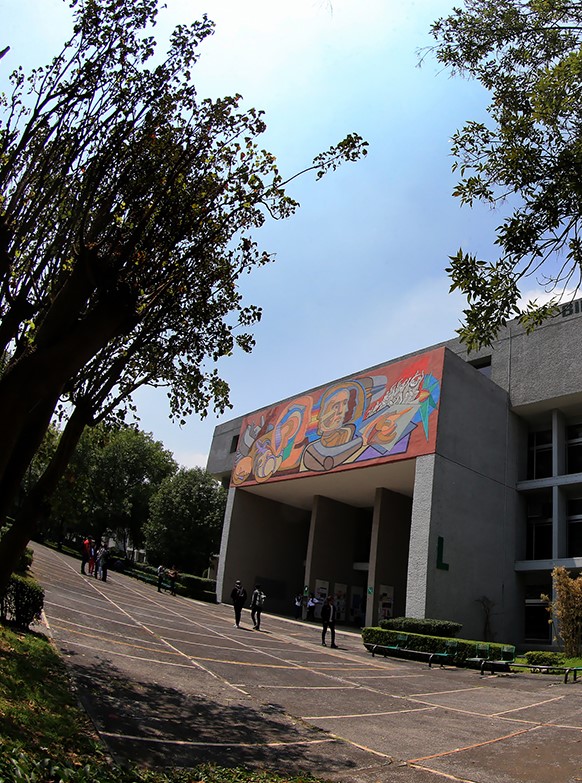
Dr. Jhoana Díaz Larrea earned her Bachelor’s degree in Biology and Master’s degree in Marine Biology from the University of Havana, Cuba, and her PhD in Biological Sciences from the Universidad Autónoma Metropolitana (UAM), Mexico. She worked as a researcher at the Institute of Oceanology in Havana for five years, and for the past eighteen years she has served as a full-time tenured professor-researcher at UAM’s Iztapalapa Campus. Throughout her career, she has published 85 scientific articles, 6 outreach papers, 7 specialized books, 11 book chapters, and 14 popular science books.
Her academic work also focuses on training new generations of scientists. She has supervised and advised 23 undergraduate students, 5 master’s students, and 5 doctoral students. She has presented 122 papers at national and international academic conferences, delivered 9 keynote lectures, and participated in 13 outreach events, including science fairs, biofairs, and photographic exhibitions. In teaching, she has built extensive experience: 64 undergraduate courses in areas such as molecular biology, biological diversity, phytobenthos, genetics, aquaculture health, physiology of aquatic organisms, environmental law, and environmental management tools; 47 master’s courses on ecological and evolutionary theory, seminars, and research projects; and 121 doctoral courses on seminars, research work, and thesis writing. She has also contributed as a lecturer in diploma programs on molecular markers in ecology.
Her commitment to continuous learning is evident in the 158 professional development and continuing education courses she has completed at undergraduate and graduate levels. She has also served on scientific committees for symposia, student colloquium juries, and academic commissions, including those responsible for evaluating scholarship applications and career awards, the Master’s in Biology program at UAM Iztapalapa Campus, and the Divisional Evaluating Commission of Biological and Health Sciences at the same campus. She also designed the Genetics course program for the Hydrobiology undergraduate degree and forms part of the core faculty of the Master’s in Biology program in the same division.
Her international experience includes research stays at the University of São Paulo (Brazil), the University of La Laguna (Spain), Florida International University (United States), the Botanical Institute of São Paulo (Brazil), the Northwest Biological Research Center (Mexico), and the Universidad Autónoma de Nuevo León (Mexico). Since 2010, she has been a member of the National System of Researchers (SNI), and since 2014 she has held the PRODEP Profile recognition under the Professional Teaching Development Program for Higher Education. She has participated in 17 research projects in collaboration with institutions in Cuba, Spain, the United States, and Mexico. She has also reviewed 23 research articles and projects, served as a jury member for graduate theses, and contributed to the organization of diploma programs, refresher courses, symposia, and conferences. From 2011 to 2019, she worked as associate editor of the journal Hidrobiológica in the area of morphology, systematics, and phylogeny.
Her research interests include molecular biology, genetics, phylogenetic systematics, biogeography, ecology, and evolution, as well as the management and conservation of biological resources such as turtles, cacti, bats, algae, fungi, and bacteria. She also works on food production and reproduction of organisms, aquaculture health, physiology of aquatic organisms, aquaponics, bioremediation through wetlands, urban gardens, biofertilizer production, and environmental education with social impact. Her research aligns with the United Nations 2030 Agenda for Sustainable Development Goals, particularly those concerning quality education, clean water and sanitation, climate action, life below water, and life on land.
Dr. Díaz Larrea combines her scientific contributions with a professional style grounded in teamwork, empathy, resilience, creativity, proactivity, discipline, assertive communication, and organizational skills. Her profile reflects her commitment to continuous growth, flexibility, and adaptability, qualities that have allowed her to build an academic career with broad scientific, educational, and social impact.
*Courses are conducted in spanish
| Num. | Trim. | Course Name | Level |
|---|---|---|---|
| Trabajo de Redacción de Tesis I | Posgrado | ||
| Proyecto de Investigación IV | Posgrado | ||
| Proyecto de Investigación III | Licenciatura | ||
| Bioética | Licenciatura | ||
| Proyecto de Investigación I | Licenciatura | ||
| Trabajo de Investigación IX | Posgrado | ||
| Seminario VII | Posgrado | ||
| Bioética | Licenciatura | ||
| Proyecto de Investigación II | Licenciatura | ||
| Proyecto de Investigación III | Licenciatura | ||
| Proyecto de Investigación III | Posgrado | ||
| Biología Molecular | Licenciatura | ||
| Trabajo de Investigación VIII | Posgrado | ||
| Teoría Ecológica y Evolutiva I | Posgrado | ||
| Temas Selectos de Biología III | Licenciatura | ||
| Proyecto de Investigación III | Licenciatura | ||
| Proyecto de Investigación II | Licenciatura | ||
| Proyecto de Investigación II | Posgrado | ||
| Proyecto de Investigación III | Licenciatura | ||
| Proyecto de Investigación III | Licenciatura | ||
| Temas Selectos de Biología III | Licenciatura | ||
| Proyecto de Investigación III | Licenciatura | ||
| Proyecto de Investigación I | Licenciatura | ||
| Fisiología de Organismos Acuáticos | Licenciatura | ||
| Genética | Licenciatura | ||
| Trabajo de Investigación VII | Posgrado | ||
| Temas Selectos de Biología III | Licenciatura | ||
| Proyecto de Investigación III | Licenciatura | ||
| Proyecto de Investigación II | Licenciatura | ||
| Proyecto de Investigación I | Licenciatura | ||
| Proyecto de Investigación I | Posgrado | ||
| Proyecto de Investigación II | Licenciatura | ||
| Proyecto de Investigación II | Licenciatura | ||
| Proyecto de Investigación III | Licenciatura | ||
| Proyecto de Investigación II | Licenciatura | ||
| Proyecto de Investigación II | Licenciatura | ||
| Proyecto de Investigación I | Licenciatura | ||
| Legislación Ambiental | Licenciatura | ||
| Trabajo de Investigación VI | Posgrado | ||
| Temas Selectos de Biología II | Licenciatura | ||
| Seminario II | Posgrado | ||
| Proyecto de Investigación I | Licenciatura | ||
| Proyecto de Investigación I | Licenciatura | ||
| Proyecto de Investigación I | Licenciatura | ||
| Proyecto de Investigación II | Licenciatura | ||
| Seminario VI | Posgrado | ||
| Seminario V | Posgrado | ||
| Genética | Licenciatura | ||
| Proyecto de Investigación II | Licenciatura | ||
| Proyecto de Investigación III | Licenciatura | ||
| Seminario I | Posgrado | ||
| Trabajo de Investigación V | Posgrado | ||
| Proyecto de Investigación III | Licenciatura | ||
| Genética | Licenciatura | ||
| Proyecto de Investigación I | Licenciatura | ||
| Proyecto de Investigación II | Licenciatura | ||
| Proyecto de Investigación III | Licenciatura | ||
| Seminario IV | Posgrado | ||
| Trabajo de Investigación IV | Posgrado | ||
| Proyecto de Investigación II | Licenciatura |